
Double Glazing in Western Australia
Double glazing in Western Australia has traditionally been treated as an upgrade, something reserved for premium homes or specific commercial projects.
By Tough Glass

That position is shifting.
With the introduction of 7-star NatHERS requirements in May 2025, double glazing is moving from optional to increasingly necessary, particularly in residential construction. For builders, architects, and glaziers, this isn’t just a compliance change. It’s a shift in how glazing is specified, priced, and delivered on-site.
This guide breaks down what double glazing actually delivers in WA conditions, and where it fits as the baseline continues to move.
What’s Changed: The Move to 7-Star Homes in WA
From May 2025, new homes across Australia, including WA, are required to meet minimum 7-star energy ratings under NatHERS.
In practical terms, that means:
- Stronger thermal performance targets
- Reduced heat gain and loss through the building envelope
- Less reliance on mechanical heating and cooling
Windows and glazing are one of the biggest variables in achieving that rating.
Single glazing can still be used, but it becomes harder to make the numbers work, especially when projects include:
- Large openings
- Open-plan layouts
- West- and north-facing glazing
- Modern façade designs
That’s where double glazing starts to carry the load.
What Double Glazing Actually Does (Beyond the Basics)
An insulated glass unit (IGU) uses two panes separated by a sealed cavity. That cavity slows the transfer of heat and sound, but performance depends entirely on the build-up.
For trade professionals, the key point is this:
double glazing isn’t one product, it’s a configurable system.
1. Thermal Performance That Helps You Hit 7 Stars
The biggest driver behind IGU adoption in WA is thermal performance.
Single glazing allows:
- Rapid solar heat gain during the day
- Fast heat loss overnight
Double glazing slows both.
On-site impact:
- More stable internal temperatures
- Reduced HVAC loads
- Easier pathway to achieving NatHERS targets
When paired with Low-E coatings, IGUs become significantly more effective, particularly in managing WA’s high solar loads without blocking natural light.
Where this matters most:
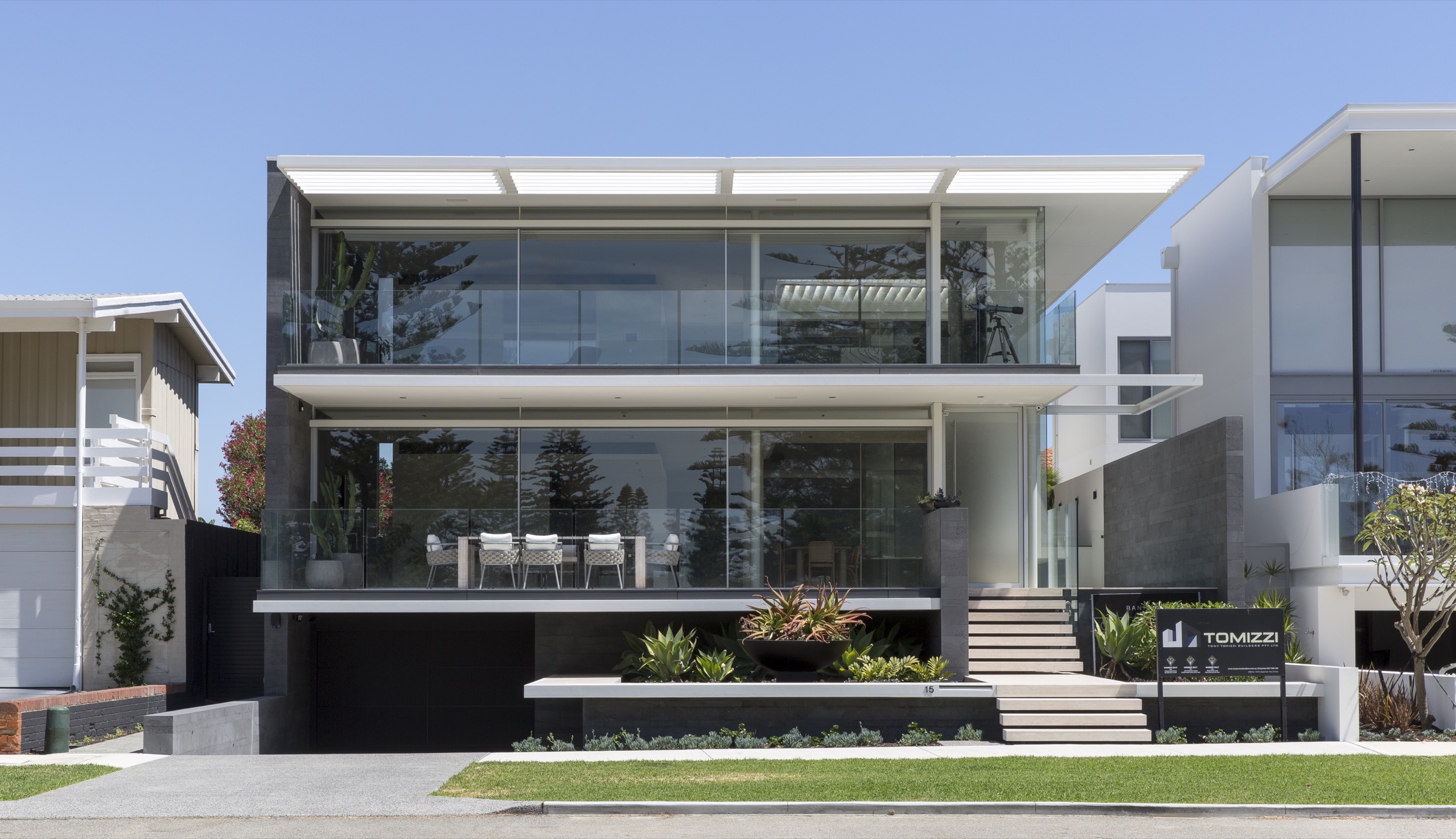
- Large glazed façades
- West-facing elevations
- Homes with high glazing-to-wall ratios
2. Solar Control Without Over-Reliance on Tinting
Historically, WA projects have leaned on tinted or reflective glass to manage heat.
That works, but it often reduces daylight quality and limits design flexibility.
Double glazing allows a different approach:
- Clear or low-iron external pane
- Low-E coating inside the cavity
Result:
- Better natural light penetration
- Reduced glare compared to heavy tints
- Improved thermal performance without darkening the façade
For architects, this opens up design options that were previously difficult to achieve with single glazing alone.
3. Acoustic Performance in Growing Urban Areas
As density increases across Perth and regional centres, noise is becoming a more consistent design consideration.
Double glazing improves acoustic performance by:
- Creating separation between panes
- Allowing mixed glass thicknesses to disrupt sound transmission
For higher performance, IGUs can incorporate laminated glass such as:
- ToughGuard™ for general safety
- ToughSound™ where acoustic control is critical
High-value applications:
- Residential builds near arterial roads or rail
- Multi-residential developments
- Mixed-use precincts
4. Condensation Reduction in Conditioned Spaces
While WA isn’t a cold climate, condensation still shows up in:
- Air-conditioned homes
- Coastal environments
- High-humidity internal spaces
Double glazing reduces condensation risk by keeping the internal pane closer to room temperature.
It won’t eliminate condensation entirely, but it significantly reduces the conditions that cause it.
5. Flexibility in Glass Specification
One of the biggest advantages of IGUs is how adaptable they are.
You’re not locked into a single outcome, you can build performance into the unit.
Common IGU configurations:
- Toughened + toughened → standard safety glazing
- Laminated + toughened → improved safety and acoustics
- Low-E + clear → thermal efficiency
- Tinted + clear → solar control
This flexibility allows you to meet:
- Energy targets
- Acoustic requirements
- Safety compliance
…without redesigning the entire glazing system.
6. Where Double Glazing Is Becoming the Default
With 7-star requirements now in play, IGUs are increasingly specified as standard in:
- New residential builds targeting compliance without design compromise
- Homes with large glazing areas
- Architecturally designed projects
- Multi-residential developments
In many cases, double glazing is no longer about “upgrading”, it’s about making the design viable under current regulations.
Trade Considerations: What Changes on Site
Specifying double glazing affects more than performance, it changes how projects are delivered.
Key considerations:
- Weight — IGUs are heavier, impacting handling and installation
- Framing systems — must be compatible with IGU thickness and weight
- Lead times — more complex than single glazing
- Seal integrity — critical for long-term performance
These need to be factored in early, particularly on tight build schedules.
Single vs Double Glazing: The Real Decision
The question isn’t “is double glazing better?”
It’s:
Can this project meet performance and compliance targets without it?
In some cases, yes, particularly with smaller openings or heavily shaded designs.
But as soon as you introduce:
- Large spans of glass
- Challenging orientations
- Higher energy targets
…double glazing quickly becomes the more practical path.
The Takeaway
Double glazing in Western Australia is no longer just about comfort, it’s about compliance, performance, and design flexibility.
- It helps meet 7-star energy requirements introduced in 2025
- It stabilises internal temperatures in a high-variation climate
- It improves acoustic outcomes in denser urban environments
- It gives specifiers more control over how glazing performs
Used correctly, it simplifies the path to compliance, instead of complicating it.
Next Step
If you’re working through a residential or commercial project and need to align glazing with 7-star requirements, we can help you map the IGU configuration to real performance outcomes, from thermal targets to acoustic control and system compatibility.
Because with double glazing, the difference isn’t just two panes, it’s how the unit is specified, built, and installed.
Related articles
-
 View ToughECO™ Platinum: Premium Low-E Insulated Glass for High-Performance Buildings
ToughECO™ Platinum: Premium Low-E Insulated Glass for High-Performance Buildings
Modern building design demands more from glazing than ever before. As window and façade systems become larger and energy requirements more stringent, selecting the right insulated glass unit (IGU) is critical to achieving thermal comfort, managing solar heat gain, and supporting compliance outcomes.
-
 View A Homeowner's Guide to Understanding Glass Specs (Without the Overwhelm)
A Homeowner's Guide to Understanding Glass Specs (Without the Overwhelm)
If you’ve ever spoken to a glazier or looked at a window or door quote, you’ve probably seen terms like *U-value*, *SHGC*, *Rw*, or *VLT*.
-
 View Lamination Explained: PVB, EVA and SentryGlas
Lamination Explained: PVB, EVA and SentryGlas
Compare interlayers, learn where each performs best, and how lamination changes acoustic ratings.