
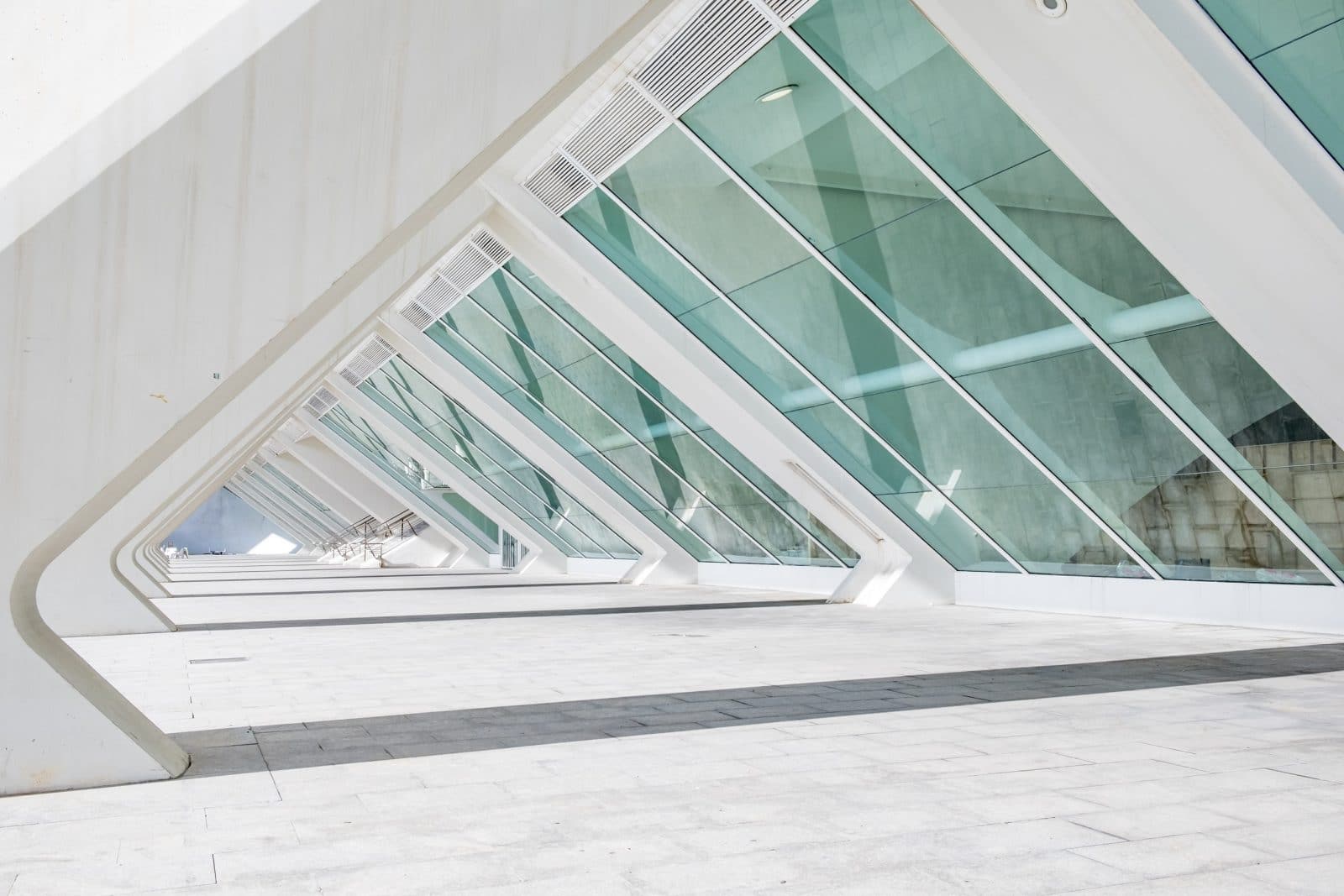
Low-E Glass, Explained: What Actually Makes a Home Feel Cooler, Quieter, and More Comfortable
When you’re standing in your living room on a hot afternoon, blinds half-drawn, aircon working overtime, it’s easy to blame the weather. But often, it’s your windows doing most of the talking.
By Tough Glass

The right glass doesn’t just let light in, it controls heat, glare, and comfort in a way you’ll feel every single day. That’s where Low-E glass comes in.
If you’ve heard the term but aren’t quite sure what it means (or why there are “hard coats”, “soft coats”, and even “single silver” and “double silver”), you’re not alone. Let’s break it down in a way that actually connects to how your home feels to live in.
First, what is Low-E glass, and why does it matter?
Low-E stands for “low emissivity”, but what that really means for your home is simple:
It’s glass designed to keep heat where you want it, outside in summer, inside in winter.
It does this with an ultra-thin, invisible coating that reflects heat energy while still letting natural light pour in.
What you’ll notice as a homeowner:
- Rooms that stay cooler on hot WA afternoons
- Less reliance on heating in winter
- Lower energy bills over time
- It’s one of those upgrades you don’t see, but you feel immediately.
Hard Coat vs Soft Coat: Same Goal, Different Performance
Not all Low-E glass is created equal. The biggest difference comes down to how the coating is applied, and that directly impacts how your home performs.
Hard Coat Low-E: Durable and Practical
Think of hard coat Low-E as the tough, reliable all-rounder.
The coating is baked into the glass during manufacturing, making it:
- More durable and less sensitive to handling
- Suitable for single glazing or simpler window systems
- A practical option for moderate climate control
In your home:
Hard coat glass helps reduce heat loss in winter and offers some summer protection, but it’s not as effective at blocking intense heat as higher-performance options. Because the coating sits on the glass surface, it can also appear slightly hazier than newer soft coat technologies, particularly when viewed at certain angles.
It’s often used where budgets are tighter or where full double glazing isn’t part of the plan.
Soft Coat Low-E: High-Performance Comfort
Soft coat Low-E is where things step up, this is premium thermal performance.
The coating is applied in a controlled environment after the glass is made, which allows for much greater precision. It's typically used in double-glazed units (two panes of glass with an insulating gap in between).
In your home:
- Significantly better at keeping heat out in summer
- Strong insulation in winter
- More consistent indoor temperatures year-round
- Higher Visible Light Transmission (VLT), allowing more natural daylight into your home while maintaining energy efficiency
The result is a clearer, more neutral-looking window with excellent thermal performance. If you're investing in large windows, feature glazing, or spaces designed to maximise natural light, soft coat Low-E often delivers the best balance of comfort, clarity, and energy efficiency.
Single Silver vs Double Silver: Why It Matters More Than You Think
Now we get to the part that sounds technical, but actually makes a big difference to how your home feels.
These terms refer to how many ultra-thin silver layers are used in the Low-E coating.
Single Silver Low-E (ToughECO™ Plus): Balanced Everyday Performance
ToughECO™ Plus is designed to offer a solid balance between:
- Natural light
- Heat control
- Cost
What it feels like in your space:
- Good comfort improvements over standard glass
- Bright, natural interiors
- A noticeable reduction in heat, without dramatically changing the look of your windows
It’s a popular choice for homeowners who want better performance without going all-in on premium glazing.
Double Silver Low-E (ToughECO™ Platinum): Next-Level Climate Control
ToughECO™ Platinum takes performance further by adding another layer of heat-reflecting material.
The result?
- Much stronger heat rejection in summer
- Better insulation in winter
- Greater overall energy efficiency
What you’ll notice:
- Rooms that stay cooler for longer, even in direct sun
- Less hot spots near windows
- A more stable indoor climate throughout the day
For west-facing windows, large expanses of glass, or homes exposed to strong sunlight (very common across WA), this can make a dramatic difference to comfort.
So, Which One Should You Choose?
This isn’t about picking the “best” glass, it’s about choosing what suits your home, your orientation, and how you live.
Here’s a simple way to think about it:
- Renovating on a budget or upgrading single glazing?
hard-coat low-E glass such as ComfortPlus, EnergyTech or Soltech or ToughECO™ Plus (Soft coat) can still deliver meaningful comfort gains. - Building new or planning long-term performance?
ToughECO™ Plus (Soft coat) and ToughECO™ Platinum (Soft coat) is where you’ll feel the biggest difference. - Lots of sun exposure or large windows?
ToughECO™ Platinum (Soft coat) helps manage heat before it becomes a problem.
The right choice depends on factors like window size, direction, ventilation, and insulation, which is why this is a conversation worth having early.
What to Ask Your Glazier
When you’re ready to talk options, these questions will help you get clear, confident answers:
- “Would soft coat Low-E make a noticeable difference in this room?”
- “Is double glazing recommended for this orientation?”
- “Would double silver be worth it for these windows?”
- “How will this choice impact the natural light?”
A good glazier will walk you through the trade-offs in plain language, and tailor the recommendation to your home, not just the product range.
Related articles
-
 View ToughECO™ Platinum: Premium Low-E Insulated Glass for High-Performance Buildings
ToughECO™ Platinum: Premium Low-E Insulated Glass for High-Performance Buildings
Modern building design demands more from glazing than ever before. As window and façade systems become larger and energy requirements more stringent, selecting the right insulated glass unit (IGU) is critical to achieving thermal comfort, managing solar heat gain, and supporting compliance outcomes.
-
 View A Homeowner's Guide to Understanding Glass Specs (Without the Overwhelm)
A Homeowner's Guide to Understanding Glass Specs (Without the Overwhelm)
If you’ve ever spoken to a glazier or looked at a window or door quote, you’ve probably seen terms like *U-value*, *SHGC*, *Rw*, or *VLT*.
-
 View Lamination Explained: PVB, EVA and SentryGlas
Lamination Explained: PVB, EVA and SentryGlas
Compare interlayers, learn where each performs best, and how lamination changes acoustic ratings.